
The Quiet Revolution: How STEM Is Rewriting the Rules of Human Life
The future isn't coming. It's already here — in the way doctors detect illness, the way cities move traffic, the way students learn. Science, technology, engineering, and mathematics aren't just school subjects. They're the invisible architecture being built beneath everything we do.
Here's a look at the ways STEM is quietly, relentlessly reshaping society.
Medicine: When Machines Became Better Diagnosticians

There's a moment that captures everything about where medicine is heading: an AI looks at a scan and spots a tumour that a trained human specialist would have missed. It's not science fiction — it's already happening.
AI diagnostic systems now identify cancer in medical imaging with 94.5% accuracy, compared to the 88% accuracy of human doctors. That gap doesn't make doctors obsolete. It makes them better — with AI as a second pair of tireless, pattern-recognising eyes.
Then there's CRISPR, a gene-editing technology that works like molecular scissors — snipping out faulty DNA and replacing it with functional code. With a 99% success rate and the potential to treat more than 6,000 genetic diseases, it represents perhaps the most consequential medical breakthrough since antibiotics.
And telemedicine? What started as a convenience during COVID-19 has evolved into something far more powerful. Surgeons can now operate using robotic arms from hundreds of miles away. For someone in a remote village, that's the difference between world-class care and no care at all.
The Environment: Engineering Our Way Out of a Crisis
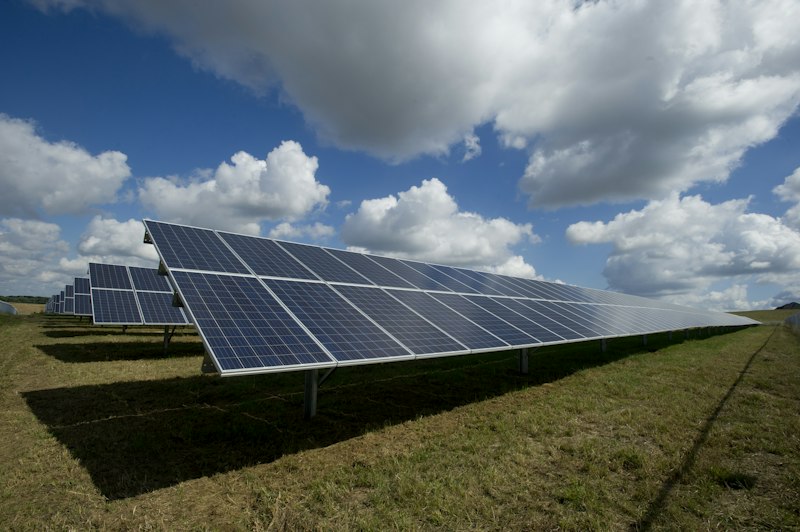
The scale of the climate challenge can feel paralysing. But some of the numbers coming out of clean energy research are genuinely startling.
Since 2010, the cost of solar power has dropped by 85%. Wind energy has fallen by 70%. These aren't marginal improvements — they're the kind of cost curves that change entire industries overnight.
Meanwhile, engineers are building machines that literally pull carbon dioxide from the atmosphere. Current systems can already remove 40 million tons of greenhouse gases per year, a figure scientists expect to scale dramatically as the technology matures.
Smart cities are joining the effort too. Fitted with sensor networks that respond in real time to how people move and consume energy, these urban environments use 20–30% less energy than traditional cities — with 10–15% less traffic congestion, simply because computers can coordinate traffic lights in ways no human dispatcher ever could.
Technology: The Age of Intelligent Everything
Artificial intelligence gets most of the headlines, and for good reason. Its ability to process enormous datasets and surface patterns invisible to the human eye is genuinely transformative. But AI isn't the only story in town.
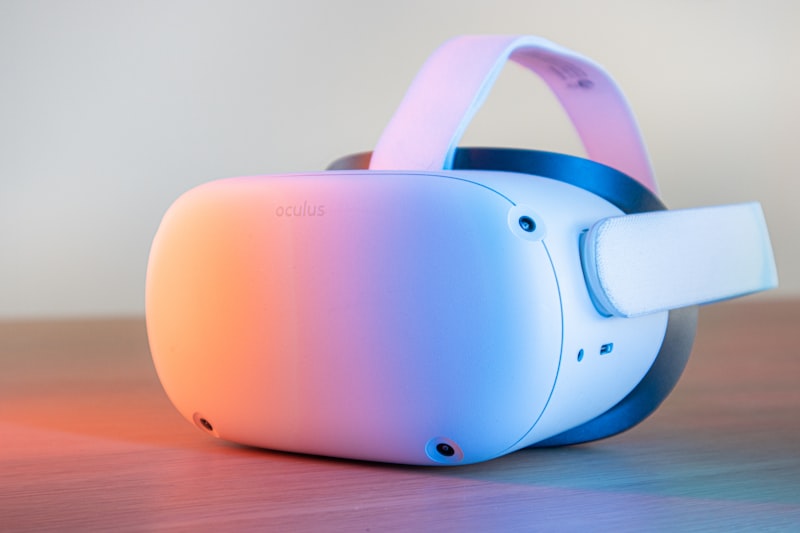
Virtual Reality is rewriting how we learn. Students retain 75% more information when they learn through immersive VR experiences versus traditional methods. Being able to walk through ancient Rome or explore the interior of a human cell isn't just engaging — it rewires how knowledge sticks.
Blockchain offers something increasingly rare in the digital age: verifiable trust. Beyond cryptocurrencies, it's being used to trace food supply chains, ensuring that what's on your plate is exactly what the label says it is.
The Internet of Things is turning passive objects into active participants. Your refrigerator can track what's running low. Agricultural sensors can trigger irrigation the moment soil moisture drops below a threshold. The mundane is becoming intelligent.
Transport: Moving at the Speed of Innovation
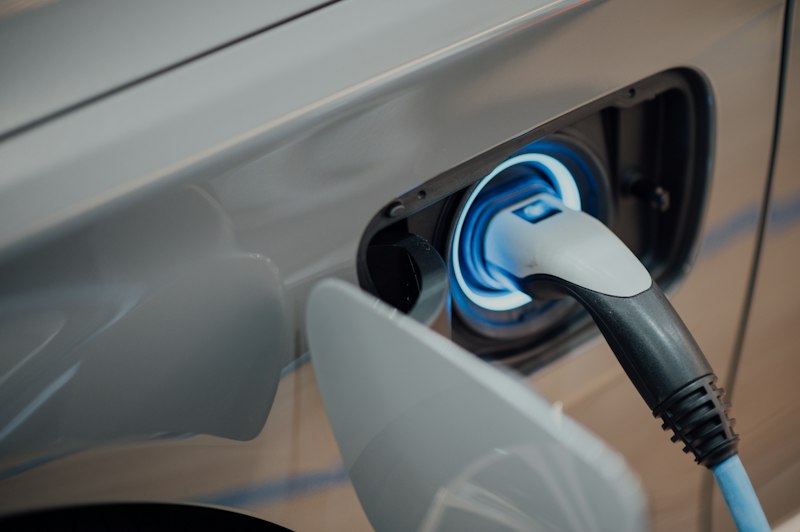
Electric vehicles are no longer the future — they're the present. Battery performance improves by roughly 8% every year, while costs fall by 20% annually. The question is no longer if electric vehicles replace combustion engines, but when.
Self-driving technology is advancing alongside them. Today's driver-assistance systems already reduce accidents by 40%. Fully autonomous vehicles, once they arrive at scale, could prevent up to 90% of crashes — most of which are caused by human error.
For longer distances, hyperloop technology promises speeds exceeding 600 mph through low-pressure tubes, cutting cross-country travel to a few hours while consuming 80% less energy than a commercial flight.
And space? The cost of launching a rocket has fallen by 90% since 2010. That means more satellites, better GPS, and internet coverage in places that have never had reliable connectivity.
Education: From Passive to Participatory
The traditional model of education — sit, listen, memorise, repeat — is being quietly dismantled. Adaptive learning platforms that respond to the individual pace and style of each student can accelerate learning by up to 30% compared to conventional teaching.
Virtual laboratories let students conduct experiments that would be too dangerous or expensive in the real world. Blow things up. Mix volatile compounds. Explore deep space. All the wonder, none of the risk.
3D printers have turned design thinking into a tactile experience — students don't just imagine solutions, they build them. And educational games are proving that the line between learning and play doesn't have to exist at all.
The Real Magic: When Disciplines Collide
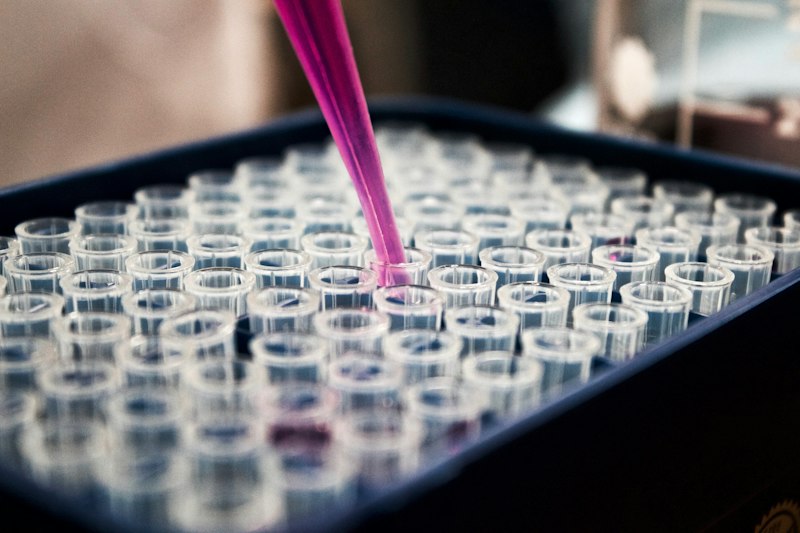
The most exciting innovations rarely happen within a single field. They emerge in the spaces between.
Bioengineering fuses biology and engineering to create prosthetics and artificial organs that don't just replace damaged tissue — they behave like the real thing. Computational biology uses algorithms to model how drugs interact with the human body, dramatically accelerating the discovery of new treatments.
New materials science has produced substances that seem to defy physics. Graphene conducts electricity 200 times better than copper and is 100 times stronger than steel — yet it's essentially a single layer of carbon atoms.
What Comes Next

Here's the honest truth about the future: we can't fully picture it yet.
Quantum computing, advanced AI, biotechnology, and nanotechnology are all developing rapidly and independently. When they begin to converge — and they will — they'll create possibilities that don't yet have names.
What we do know is this: every dollar invested in STEM research returns approximately seven dollars in societal benefit over a decade. Countries that prioritise this investment are building not just better economies, but better futures.
The students learning these skills today aren't just preparing for careers. They're preparing to be the authors of the next chapter — the one we haven't read yet.
That's not a small thing. That's everything.
The evidence has been mounting for years, quietly and persistently. STEM isn't a collection of difficult school subjects. It's the language in which humanity's most important problems are being solved — and the toolkit with which its greatest opportunities will be built.